The Importance and Benefits of Outdoor Play for Kids
Published on
July 16, 2026
Author
Samia Haddad
Project Writer | Formerly a dedicated volleyball player during her university years, Samia seamlessly integrated holistic approaches into her lifestyle to maintain peak physical and mental health. Her disciplined mindset, honed on the varsity court, persisted beyond graduation, driving her passion for research into the intricate connections between the body and mind. Now, as a writer for ThinkHealth and Wellness, Samia shares her personal journey and well-honed routines, offering valuable insights into holistic well-being. Through her unique experiences and commitment to a healthy lifestyle, Samia contributes to the platform's mission of providing comprehensive and inspiring content for individuals seeking natural health alternatives.
Can music and movement help fine motor skills?
Yes—finger plays, clapping games, and dance routines that use hand gestures all help. Combine rhythm and repetition for deeper learning.
How can educators encourage home practice?
Send home simple activity ideas, kits, or worksheets. Offer short instructions and encourage family involvement. Regular practice builds lasting progress.
What crafts are best for fine motor practice?
Try origami, sticker scenes, stringing pasta, or painting with Q-tips. Crafts that use small pieces build precision and control.
Here's something worth thinking about: the average child today spends more time in front of a screen than playing outside. That's not a judgment call. It's just where things have landed, between busy schedules, smaller living spaces, and the very real pull of digital entertainment. But outdoor play isn't just a nice-to-have, some nostalgic throwback to simpler times. It's one of the most powerful things children of all ages can do for their emotional, social, physical and mental development.
What Counts as Outdoor Play?
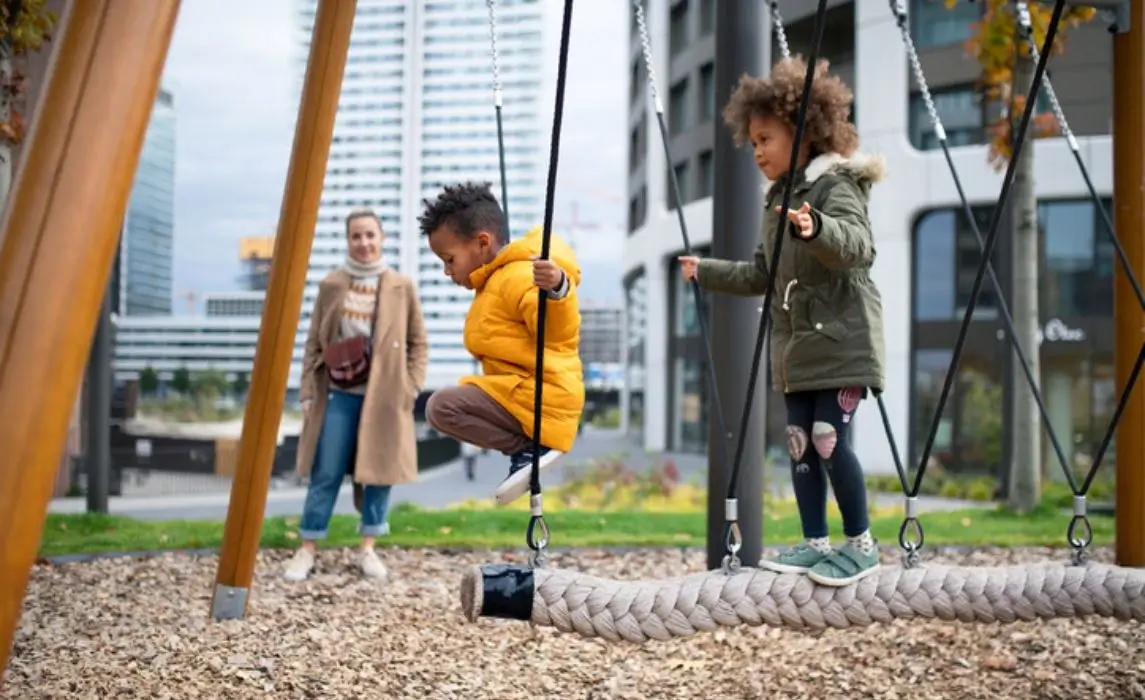
Outdoor play can be structured play like swimming, team sports, or martial arts, but it can also be free play like running around, building stick forts, or making up games with simple rules.
Both kinds are important in different ways. Structured activities help children develop skills like coordination, discipline, and teamwork. Unstructured play gives them space to lead, imagine, and make their own decisions without adults guiding every step. It also helps them learn how to handle boredom and turn it into creativity.
So when we talk about outdoor play here, we’re referring to all of these experiences together.
Why It Matters More Now Than Ever
If you grew up in the 80s or 90s, you probably spent significant chunks of your childhood outside without it being a big deal. You went out after school, came back when the streetlights came on, and that was that.
That's largely not the reality for today's kids. Screen time has increased dramatically across all age groups, including young children. Academic pressure starts earlier. Many neighborhoods feel less safe for independent play. And many families have busy schedules that leave little time for unstructured activities.
Children today are spending more time sitting, indoors, and less time being active than before. This can affect their health, focus, and emotional well-being. This highlights the importance of outdoor play for healthy development, resilience, and overall well-being.
The Physical Benefits
Motor development and coordination: Outdoor playdates builds gross and fine motor skills. Climbing a jungle gym develops core strength and balance. Catching a ball sharpens hand-eye coordination. Even walking on uneven ground builds proprioception, which is your body's sense of where it is in space.
Healthy weight management: When kids move naturally and regularly, they get the activity they need without it feeling like a chore. This matters especially given rising rates of childhood obesity and sedentary behavior.
Better sleep and immune health: Getting natural light, fresh air, and time outside helps support a healthy immune system and better sleep. Children who play outside regularly during the day tend to sleep better at night. This helps with their growth, mood, and learning.
The Social Benefits
Conflict and cooperation: Kids learn to negotiate, take turns, read social cues, and handle disagreements on their own. They build empathy when a friend gets hurt and learn how to deal with being included or left out.
Organic friendship: Friendships formed during outdoor play are built through shared experiences. Kids bond over what they discover, the games they invent, and the messes they make together.
The Emotional Benefits
Supporting emotional regulation: Outdoor play activities give kids a way to express their feelings. They might run when they are frustrated, jump when they are excited, or lie in the grass to relax. This helps them deal with emotions in a healthy way.
Encouraging independence: Even small amounts of outdoor freedom help children make decisions, solve problems, and learn from what happens because of their choices.
Fostering autonomy and self-trust: As children explore the world around them, they start to trust their own judgment and abilities. This builds strong self-confidence over time.
The Mental Benefits
Reducing stress levels and anxiety: Time in nature can lower cortisol, the body’s main stress hormone. This helps children feel calmer and more relaxed. As a result, they're able to handle daily stress and emotions better.
Improving mood: Even short time in outdoor environments can help kids reset emotionally, especially after screen time or a busy school day. Outdoor play gives them a simple way to relax and recharge.
Restoring mental energy: Researchers often refer to this as attention restoration. Natural environments give the brain’s focused attention a chance to rest. This helps kids, including those with ADHD, recharge and focus better afterward.
The Cognitive Benefits
Boosting creativity and imagination: Unstructured outdoor play also helps children create games, make up stories, and set their own rules. This builds creative thinking.
Building problem-solving skills: Kids face small challenges like building forts, climbing, or moving through obstacles. These moments help them think and solve problems.
Developing executive function: Outdoor play helps children practice skills like planning ahead, controlling impulses, and adjusting to changes.
Promoting inquiry-based learning: Being outside encourages kids to observe, explore, and test ideas. This supports the same kind of thinking used in learning at school.
How Much Outdoor Play Do Kids Need?
The short answer is: more than most kids are currently getting.
Toddlers (ages 1–3)
Health guidelines suggest about 3 hours of active movement spread throughout the day. Even a 20-minute walk or backyard play can make a real difference during early childhood.
Preschoolers (ages 3–5)
They also need about 3 hours of physical activity each day. This stage is great for imaginative play, exploring natural materials, and building confidence through climbing, running, and jumping.
School-age children (ages 6–12)
They should get at least 60 minutes of activity each day. Outdoor play is an easy way to reach this goal. At this age, they can also start having more independence outside as part of their growth.
Simple Ways to Get More Outdoor Play Into Your Day
Build it into the routine
After school, after dinner, or on weekend mornings, a set outdoor time helps make it part of the routine instead of something you need to decide each day.
Lower the bar
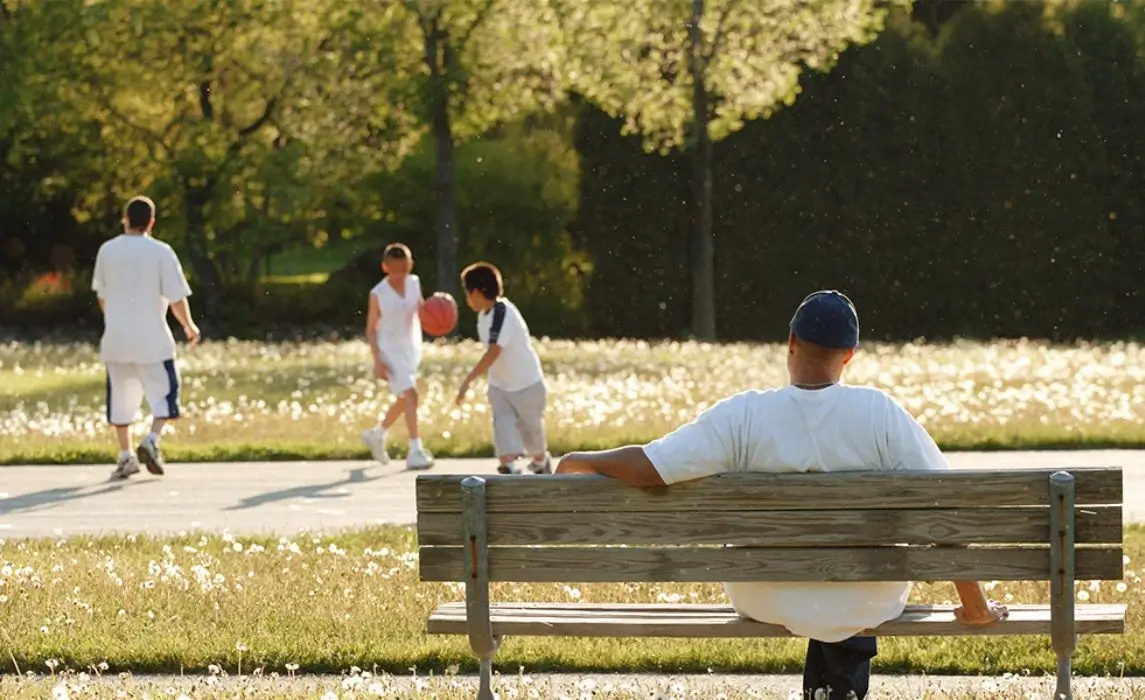
Outdoor play doesn't have to mean a trip to the park. It can be as simple as kicking a ball in the driveway or letting kids explore the yard while you sit nearby.
Let them lead
Resist the urge to organize the activity. One of the biggest benefits of outdoor play comes from children directing their own time. Give them the space and step back.
Use screen time as a bridge
Some families find success with a "go outside first" rule before screens come on. Others use outdoor time as a natural wind-down before screen time. Either way, positioning outside time as the default helps shift the balance.
Explore what's nearby
You don't need a fancy park or a nature reserve to play outdoors. A strip of grass, a community garden, a quiet street, a school playground outside of school hours, these all work. Kids don't need perfect outdoor spaces. They need access to outdoor spaces.
Common Barriers and How to Work Through Them
Screen Preference
Screens are very engaging, so it is normal for kids to prefer them. A better approach is to slowly add outdoor time so it becomes part of their routine. Over time, outdoor play can feel just as normal as screen time.
Safety concerns
This depends a lot on the child’s age and environment. The goal is not full independence in unsafe places. It is finding a safe middle ground, like a fenced yard, quiet neighborhood streets, or supervised playgrounds where kids can still explore freely.
Weather challenges
Kids can still play during light rain or cooler days with the right clothing. They often adjust better than expected. In extreme weather like storms or very hot days, it is safer to stay indoors and choose active indoor play instead.
No yard space
A yard isn’t necessary for outdoor play. Parks, school grounds, walking paths, and other shared outdoor spaces can work just as well. Access matters more than ownership of space.
Time constraints
Even short bursts of outdoor time can make a difference. Even 15–20 minutes a day can still help, especially when it happens regularly instead of only once in a while.
Safety During Outdoor Activity
Encouraging outdoor play is important for a child's development, but it doesn't mean abandoning common sense. It means calibrating supervision and risk appropriately for your child's age and temperament.
Younger children need closer supervision, particularly around water, roads, or unfamiliar environments. Older children can handle more independence. Giving it to them in small steps helps build confidence and safety awareness.
Teach kids basic outdoor safety without making it fear-based. Knowing what to do if they get hurt, how to ask for help, and which play areas are off-limits is useful knowledge. It is not a reason to avoid going outside.
The goal is a manageable level of challenge, not a risk-free environment. Kids who are never allowed to climb, run fast, or take small risks miss important learning experiences. The occasional scraped knee is worth it.
Outdoor play doesn't need to be scheduled or curated to be valuable. In fact, the messier and more child-led it is, the better.
What matters most is that kids go to move and play freely. This kind of unplanned play helps support all areas of your children's development.
There is no need to change your whole routine. Start small by making outdoor time a normal part of the day. Keep it simple and consistent. Trust that the benefits are happening even when it just looks like your kid running in circles for no reason.
Benefits Of Outdoor Play For Kids Frequently Asked Questions
What are the benefits of outdoor play for kids?
It supports physical and mental health, emotional resilience, social skills, and creativity. Regular time outside helps kids move more and stress less. They develop in ways that indoor activities cannot fully match.
Why is outdoor play important for child development?
Kids learn through movement and exploration. Outdoor play gives them the unscripted space to do both. With screen time up and independent play down, it fills a gap that modern childhood has largely lost.
How much outdoor play do children need each day?
Toddlers and preschoolers need about 3 hours of active movement throughout the day. School-age kids should aim for at least 60 minutes. More important than hitting a number is making it a daily habit, even in small doses.
What are the physical benefits of outdoor play?
Running, climbing, jumping, and balancing outside builds strength, coordination, and core stability. It also helps kids maintain a healthy weight, sleep better, and build a stronger immune system. It comes from movement that feels like play, not exercise.
How does outdoor play improve mental health in children?
Time outside lowers stress hormones, reduces anxiety, and improves mood. It gives the brain a real break from screens and structured tasks. This helps improve focus, emotional control, and overall well-being.
What are the social benefits of outdoor play for kids?
Kids learn important social skills like taking turns, negotiating, reading social cues, and handling conflict in real time. These skills grow naturally when children lead their own play instead of having adults guide everything.
How can parents encourage more outdoor play?
Make it a routine rather than a special event, keep the bar low, and let kids lead. A driveway or patch of grass works just as well as a park. A simple "outside first" rule before screens goes a long way.
What are safe outdoor activities for children?
For younger kids: supervised nature walks, sandbox play, and simple climbing. For older kids: bike riding, free play at the park, or team sports. The key is to match independence to your child’s age and slowly give more as their confidence grows.