How To Stop Kids From Lying: 5 Reasons Why They Lie & How To Respond
Published on
May 17, 2026
Author
Samia Haddad
Project Writer | Formerly a dedicated volleyball player during her university years, Samia seamlessly integrated holistic approaches into her lifestyle to maintain peak physical and mental health. Her disciplined mindset, honed on the varsity court, persisted beyond graduation, driving her passion for research into the intricate connections between the body and mind. Now, as a writer for ThinkHealth and Wellness, Samia shares her personal journey and well-honed routines, offering valuable insights into holistic well-being. Through her unique experiences and commitment to a healthy lifestyle, Samia contributes to the platform's mission of providing comprehensive and inspiring content for individuals seeking natural health alternatives.
Can music and movement help fine motor skills?
Yes—finger plays, clapping games, and dance routines that use hand gestures all help. Combine rhythm and repetition for deeper learning.
How can educators encourage home practice?
Send home simple activity ideas, kits, or worksheets. Offer short instructions and encourage family involvement. Regular practice builds lasting progress.
What crafts are best for fine motor practice?
Try origami, sticker scenes, stringing pasta, or painting with Q-tips. Crafts that use small pieces build precision and control.
It starts innocently enough. Your toddler denies eating the cookie with chocolate still on her face. Your seven year old swears the homework is finished when it clearly is not. Your teenager hands you a version of last night that conveniently leaves out whose house it was at. Frustrating, sometimes hurtful, and completely normal.
The point of this article is not to convince you that lying is no big deal or that you should just let it slide. It is to help you get underneath what is actually going on when your child is not being straight with you, what it says about where they are developmentally, and how to respond in a way that grows real honesty over time rather than just teaching your kid to get better at hiding things.
Believe It or Not: Lying Is Part of Healthy Child Development
Child development research has pretty consistently shown that kids begin telling deliberate, intentional lies somewhere between ages two and three. By six, most are doing it with some regularity. By eight, a fair number have gotten genuinely good at it. And here is the part that might surprise you: this is connected to some genuinely impressive cognitive growth.
Successfully pulling off a lie is actually a more sophisticated mental task than it gets credit for. To do it convincingly, a child has to grasp that other people carry their own independent thoughts and beliefs, and that those beliefs can be manipulated because they do not automatically reflect reality. Developmental psychologists refer to this as theory of mind, and acquiring it is considered a genuine milestone in early childhood. So when your three year old holds eye contact and calmly tells you she never touched your phone, what she has actually demonstrated is the ability to build a mental model of what you believe and then deliberately work to shape it. Not exactly a highlight you will be sharing at the next family gathering, but cognitively speaking, it is kind of remarkable.
None of this means you should ignore lying or treat it as harmless. What it does mean is that catching your child in a lie is not a sign that something has gone seriously wrong. It is a chance to teach, and those chances come up a lot during childhood for a reason.
Why Kids Lie: The Real Reasons Behind It
1. To avoid getting in trouble
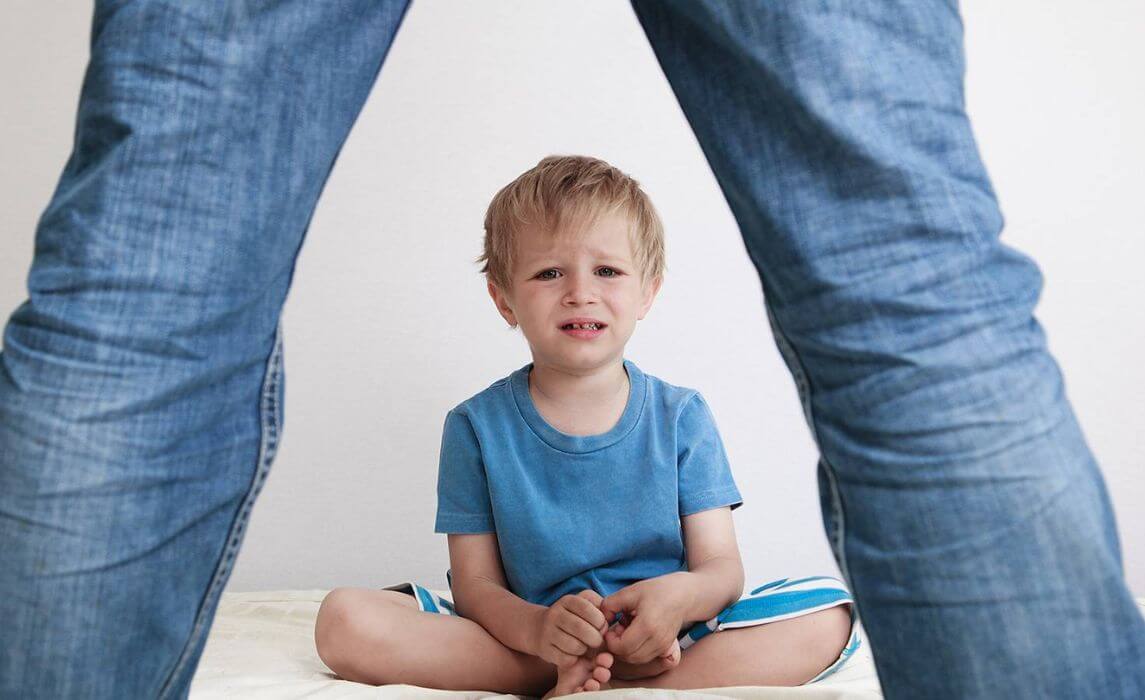
Fear is the most common engine behind childhood lying. If a child expects a big reaction, lying feels like the path of least resistance. This is especially pronounced in homes where consequences are inconsistent or emotionally intense. Children who grow up never quite knowing how a parent will respond learn early on that honesty carries risk, and they adjust their behavior accordingly. The bigger the fear, the more likely the lie.
2. To avoid disappointing you
This one is subtler, and honestly a little heartbreaking when you see it clearly. Kids who genuinely care about their parents' opinion of them will sometimes lie not out of selfishness but out of deep shame. They made a mistake, they already feel terrible about it, and coming clean feels like standing in front of you and confirming the worst version of themselves. The lie is not really about you. It is about how unbearable it feels to let you down.
3. To fit in
Then there is social lying, which picks up around school age. Kids exaggerate or invent things to seem more interesting, more impressive, or just more like everyone else. "My dad knows a famous soccer player" or "I have already seen that movie like ten times." It is embarrassing, but it is also just kids figuring out how social belonging works.
4. To keep some privacy
By the time kids reach the preteen and teenage years, the lying often has less to do with fear and more to do with identity. Adolescents are actively building a self that exists separately from their parents, and some of that process involves information they simply do not want to share. They are not always lying to deceive you in any meaningful sense. They are trying to establish that there are parts of their life that belong to them. That does not make dishonesty acceptable, but understanding the motivation behind it changes how you respond to it.
5. To test limits
Some lying is purely experimental. Kids want to understand the boundaries of what they can get away with, and lying is one way of running that test. This is especially common during developmental stages when autonomy is becoming more important to them, like early childhood and again in adolescence. It is less about malice and more about figuring out where the edges are.
How Lying Shows Up At Different Ages
Ages 2 to 4
Mostly wishful thinking and fantasy. The line between real and imaginary is genuinely blurry for them. "I did brush my teeth" might be more about what they wish were true than a deliberate attempt to deceive.
Ages 5 to 7
Lies become more deliberate, mostly to avoid consequences. They also start telling white lies to be polite, which is worth noting because it shows growing social awareness.
Ages 8 to 12
Social lying becomes more common. Kids this age are managing friendships, reputations, and screen time. Lies often involve hiding mistakes or keeping things from parents they expect will overreact.
Ages 13 and up
Privacy and autonomy are a big deal now. Teens often lie about their social lives less out of malice and more because they genuinely believe their parents will not understand or will make things worse.
When To Pay Closer Attention
It is worth having a conversation with your child's doctor or a family counselor if you are seeing any of the following:
Frequent, elaborate lying that does not seem connected to avoiding any obvious consequence.
Lies that cover up genuinely risky behavior like stealing, bullying, or unsafe situations.
A child who shows no guilt or empathy when caught.
Lying that has suddenly gotten much worse after a stressful change like a divorce, a move, or a loss.
Any pattern that feels less like normal kid behavior and more like distress.
In most cases, when lying escalates, it is signaling that something harder is going on underneath. The lying itself is rarely the core problem.
How To Respond When You Catch Them In A Lie
1. Take a breath before you react
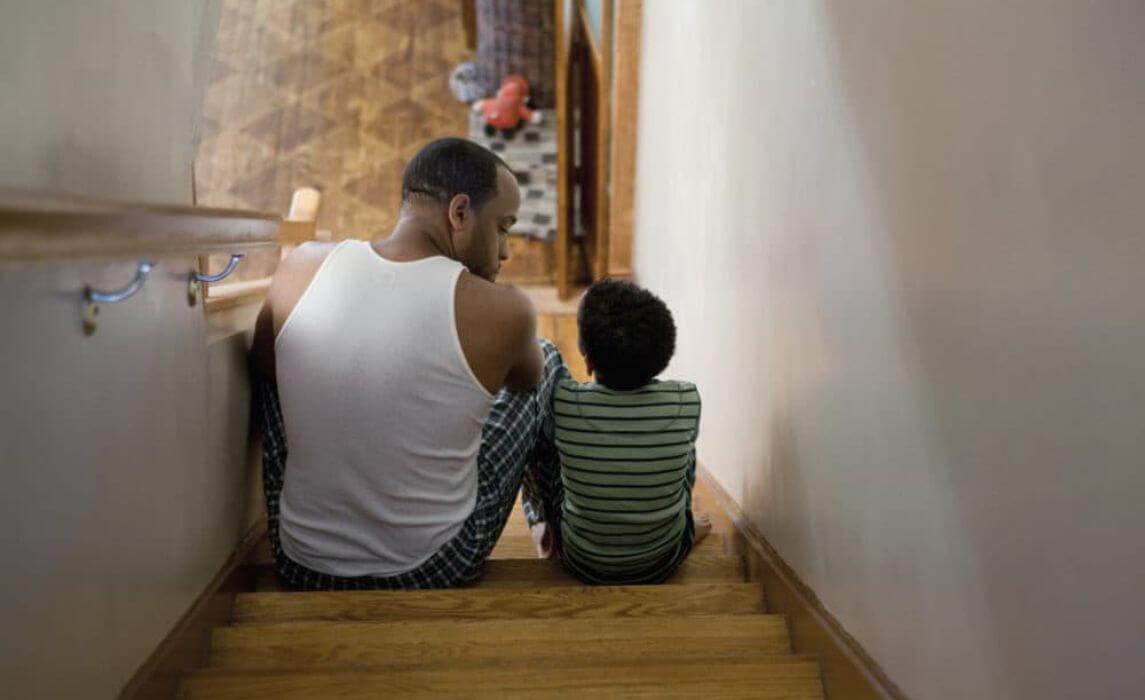
When you find out your child lied, it is completely okay to feel hurt or frustrated. But responding with a lot of heat, especially shock or outrage, tends to make kids better at hiding things from you rather than more likely to be honest. A calm, even response sends the message that telling the truth is survivable, and that matters more than it might seem in the moment.
Try this instead: Rather than "I cannot believe you lied to me," try something like, "I know you were worried about getting in trouble. I want us to be able to talk about stuff like this, even when it is hard. What actually happened?"
2. Use consequences that make sense
The most effective consequences are logical ones that connect directly to the lie. If your child said their homework was finished and it was not, they sit down and do it right then, even if it is late. If they lied about where they were, they lose some independence for a defined period of time. Consequences that feel disconnected from the actual lie tend to just create resentment without teaching anything.
Keep them short and clear. Long, drawn out punishments that stretch across weeks stop feeling related to the original issue and start feeling like a general statement about your relationship. That is not the message you want to send.
3. Make honesty genuinely worth it
Here is a question worth sitting with: what does your child experience when they tell you the truth about something hard? If the answer is consistently a big reaction, a lengthy lecture, or a serious consequence, you may have accidentally made honesty a pretty bad deal. Kids do a cost-benefit calculation, even if they do not know that is what they are doing. If telling the truth always feels worse than lying, they are going to keep lying.
When your child comes to you and admits something they knew would be difficult to share, acknowledge it. "I really appreciate that you told me. I know that was not easy." That kind of response is not letting them off the hook. It is building the kind of trust that makes honesty the natural default over time.
4. Ask questions, not accusations
When you already know what happened, asking a direct question like "Did you finish your homework?" puts your child in a spot where lying is the easier path. They already know you might be upset, and a yes or no question makes lying feel like a way out. Try something more open instead: "Tell me how homework went tonight." It keeps the conversation going instead of cutting it off.
What Not To Do
Don't set up traps. When children sense that a question is designed to catch them rather than understand them, it shifts the dynamic from conversation to interrogation, and kids respond to interrogation the way most people do: they get defensive and they get creative.
Don't label your child a liar. Labeling a child as dishonest, particularly on a repeated basis, tends to produce the exact outcome you are trying to prevent. Identity is powerful, especially in children who are still figuring out who they are. When a child is told often enough that they are a liar, they begin to absorb that as a truth about themselves and behave in ways that confirm it.
Don't normalize dishonesty through your own everyday behavior. They notice when you tell a neighbor you are unavailable when you are simply unwilling. They hear you ask them to say you are not home. They watch you navigate uncomfortable situations with convenient half-truths. What you model in ordinary, unguarded moments is what your child understands to be normal.
Don't make the stakes so high that honesty feels dangerous. If your child genuinely fears what will happen when they tell the truth, they will keep lying. A consequence that frightens is not the same as one that actually works.
Don't keep bringing it up once it has been addressed. Once you have addressed the lie and explained why it matters, let it be done. Revisiting the same incident repeatedly does not deepen the lesson. It just breeds frustration on both sides.
How Consistent Home Routines Build Honesty and Trust
The most effective long-term strategy is not getting better at catching lies. It is creating the kind of environment where your child does not feel like lying is necessary in the first place. That comes down to a few consistent habits.
1. Clear expectations help a lot
When kids know exactly what the rules are and that those rules will be enforced the same way every time, there is less ambiguity to exploit and less reason to test limits through dishonesty. Predictability is actually a comfort to children, even when they act like it is not.
2. Regular one on one time matters more than most parents realize
Even twenty minutes a day of genuinely undivided attention, no phones, no multitasking, keeps the connection strong enough that kids are more likely to come to you with hard things before they spiral into something they feel they need to hide.
3. Talk about honesty directly, and not just when something has gone wrong
Share stories from your own life about times when telling the truth was hard but worth it. Read books or watch shows together that deal with honesty and lying, and talk about them afterward. Those low-stakes conversations build a shared language around values that kids can actually draw on when things get complicated.
4. Praise the truth out loud
When your child comes clean about something difficult, say so. "I really appreciate you telling me that" reinforces honesty as something worth doing.
Raising an honest kid is not about eliminating every lie. It is about building a relationship strong enough that your child comes to prefer the truth, even when it is uncomfortable. That takes time, consistency, and a lot of patience with yourself too.
When you respond to lying with curiosity instead of fury, with connection instead of punishment alone, you are not letting your child off the hook. You are showing them that honesty is worth it because the relationship on the other side of it is safe.
That is what actually changes behavior, not over the course of a single conversation, but over years of showing up the same way.