Active Play vs Structured Sports for Kids: Finding Balance for Your Child
Published on
June 23, 2026
Author
Claudia Fournier
Project Writer | As a devoted writer at ThinkHealth and Wellness, Claudia shares evidence-based insights into natural health, providing balanced reviews of products and promoting a holistic lifestyle. Her creativity shines through in health narratives, and she brings diverse cultural perspectives to the wellness landscape. Claudia is committed to combating health misinformation, ensuring ThinkHealth and Wellness remains a trusted source for reliable and well-researched content.
Can music and movement help fine motor skills?
Yes—finger plays, clapping games, and dance routines that use hand gestures all help. Combine rhythm and repetition for deeper learning.
How can educators encourage home practice?
Send home simple activity ideas, kits, or worksheets. Offer short instructions and encourage family involvement. Regular practice builds lasting progress.
What crafts are best for fine motor practice?
Try origami, sticker scenes, stringing pasta, or painting with Q-tips. Crafts that use small pieces build precision and control.
If you've ever watched your kid run circles around the backyard for no reason and thought, "should they be in a sports program right now?" you're not alone. A lot of parents wrestle with this. Do kids need organized sports to thrive, or is unstructured play enough? The good news is that both can be valuable, and you don’t have to choose just one.
Active play and structured sports actually support different parts of your child's development. Think of them less as competing options and more as two tools in the same toolkit. When you understand what each one does, it becomes a lot easier to figure out the right mix for your kid at every stage of growing up.
What is Active Play?
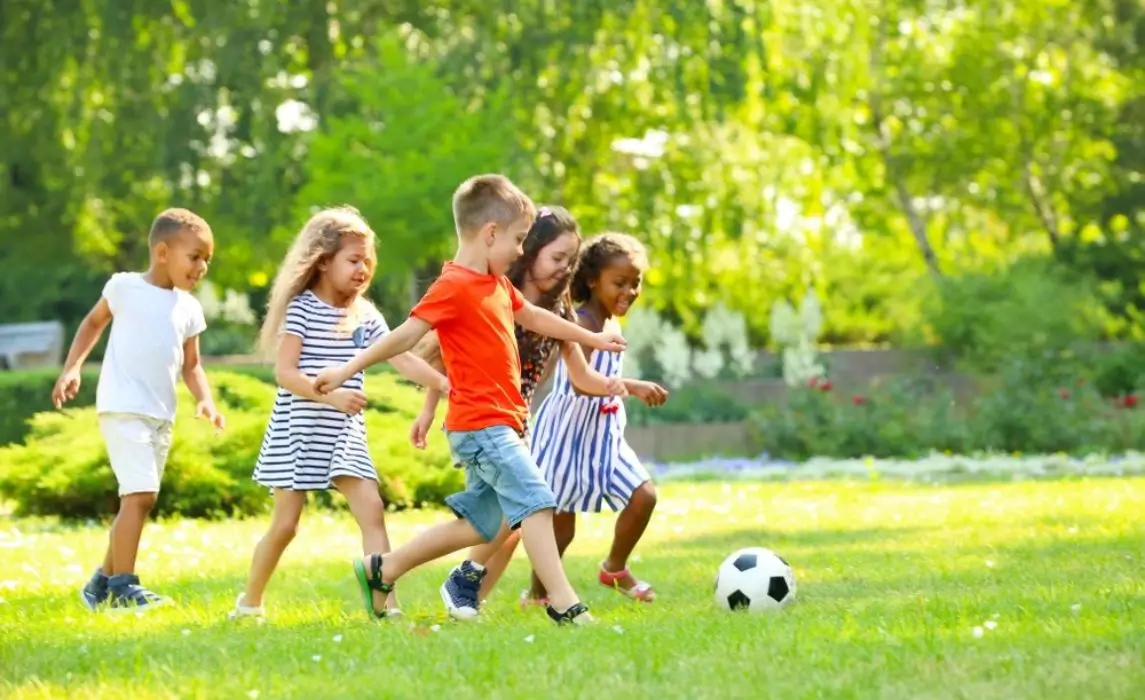
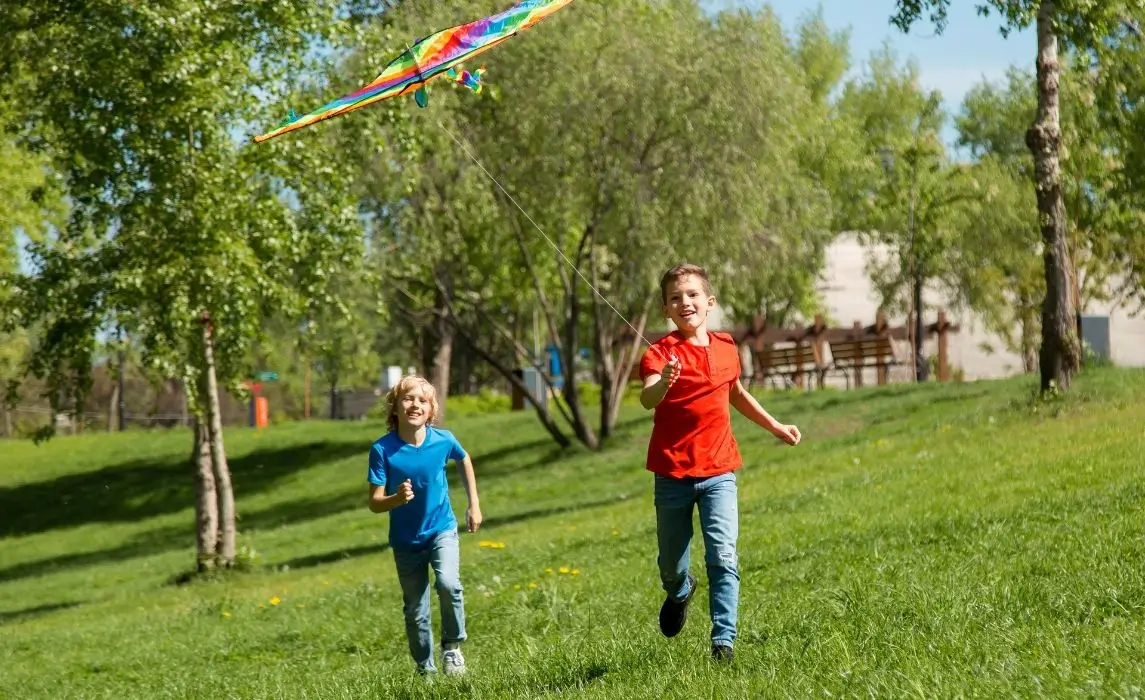
Active/free play is child-led, flexible, and imagination-driven movement. It's your kid deciding to build an obstacle course in the living room, chase the dog around the yard, or spend an afternoon climbing trees. There's no coach, no score, and no schedule. The child is in charge.
It covers a huge range of activities: pretend play, rough-and-tumble games with siblings, spontaneous dancing, building forts, splashing in puddles. What all of these have in common is that the child is following their own curiosity and setting their own rules. This kind of unstructured free play is actually one of the most developmentally rich things a child can do.
What are Structured Sport?
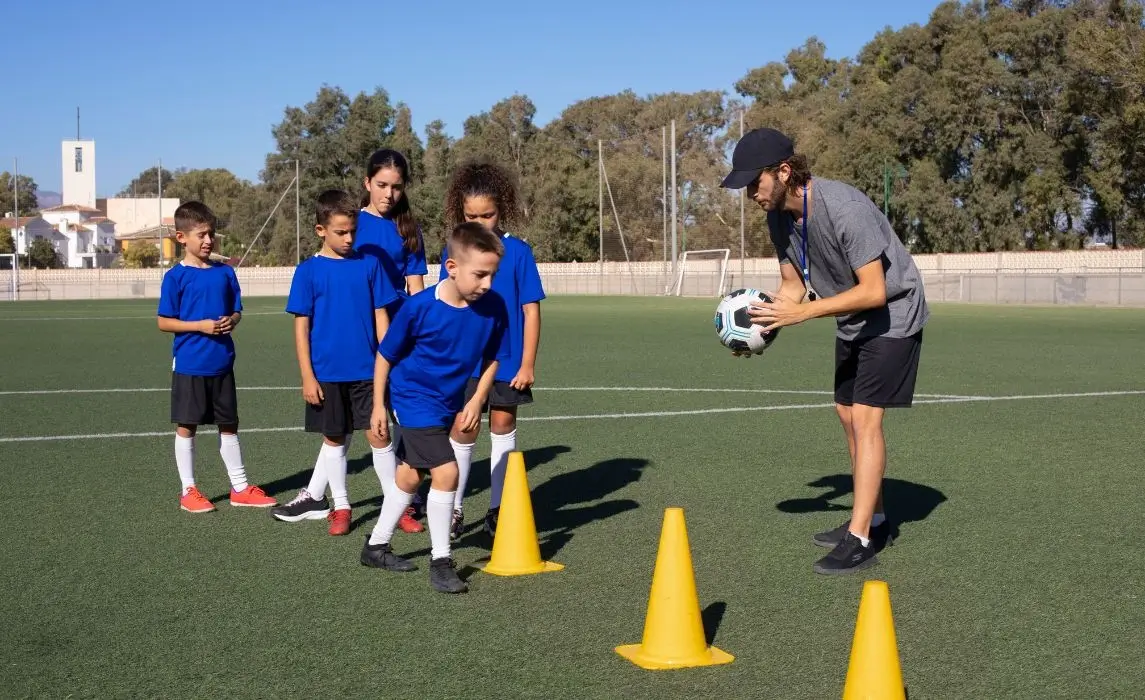
Structured/organized sports are adult-guided, rule-based, and skill-focused activities. Soccer practice, swim lessons, gymnastics class, youth baseball. There's an instructor or coach, there are defined goals, and kids learn within a specific framework.
Organized sports programs give kids something different from free play. They introduce routine, repetition, and the experience of working toward a measurable goal. Kids learn what it means to be part of a team, follow instructions from an adult outside the family, and show up consistently even when it's hard.
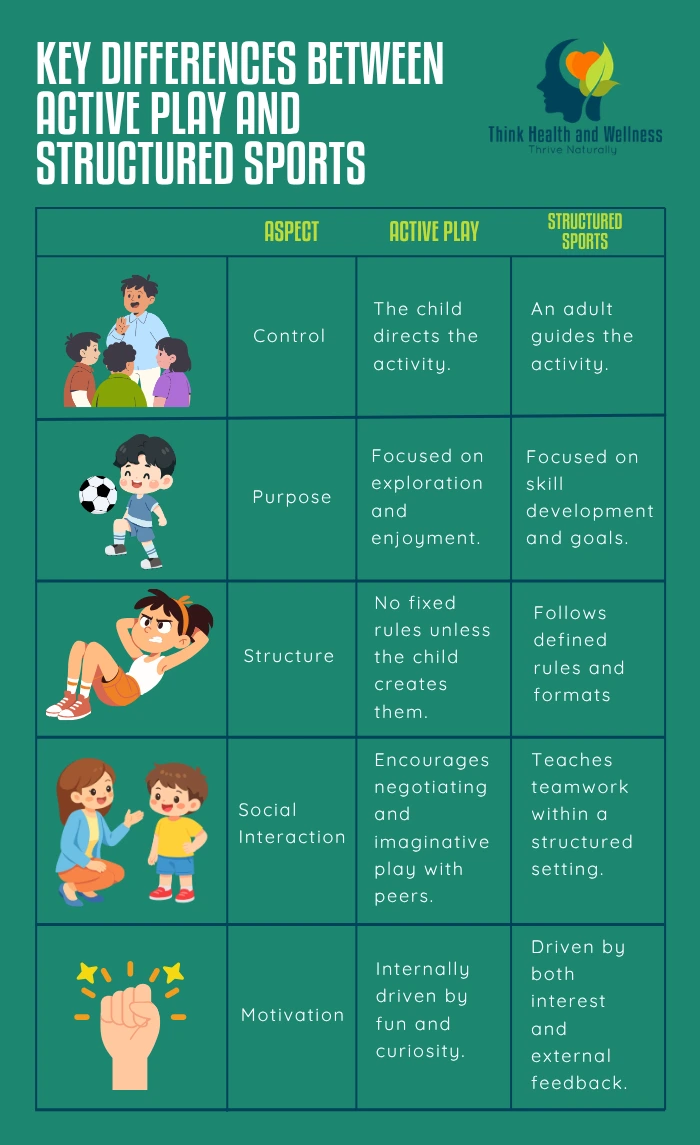
Key Differences Between The Two Approaches
Here's a quick way to understand how they differ:
What Active Play Does For Your Child's Development
When kids have real time for unstructured play, some really important things happen developmentally that you can't replicate in a sports program.
Creativity and Problem-Solving
Free play encourages kids to think independently because there’s no adult directing every move. They learn to invent solutions, create rules, and adapt when things don’t go as planned, which builds strong creative confidence and flexible thinking.
Emotional Regulation
Unstructured play naturally exposes children to real-time emotions like frustration, excitement, disappointment, and conflict. Without immediate adult intervention, they learn to process and manage these feelings on their own, strengthening emotional resilience.
Intrinsic Motivation
Active play helps children develop the drive to move and engage simply because it feels enjoyable, not because of rewards or external pressure. This builds long-term motivation and independence, making physical activity something they value for its own sake.
Physical Literacy
Through varied and spontaneous movement, kids develop foundational skills like balance, coordination, and body awareness. Exposure to different play environments also helps them build a wider “movement vocabulary” than structured training alone often provides.
What Structured Sports Add To The Mix
Structured sports programs bring their own set of developmental benefits that are harder to build through play alone.
Discipline and Follow-Through
Organized sports teach kids to show up consistently, even on days they feel unmotivated or tired. This builds discipline and the ability to persist through challenges—an important skill that carries over into school, relationships, and future work.
Technical Skill Development
With structured coaching and repetition, children learn proper techniques in skills like swimming, basketball, or other sports. Coaches provide feedback and progression, allowing kids to build strong fundamentals in a way that free play alone usually cannot offer.
Teamwork and Social Development
In team sports, children learn how to work toward a shared goal rather than individual preference. They practice communication under pressure, cooperation, and handling both victories and losses as part of a collective experience.
Goal-Setting and Progress Tracking
Sports programs naturally encourage kids to set and pursue goals, whether it’s improving a skill, making a team, or beating a personal record. This helps them understand effort, progress, and self-evaluation in a structured way.
Why Your Child Needs Both, Not Just One
Here's the thing: active play and structured sports aren't in competition. They're actually complementary, and kids who get both tend to develop more fully than those who have an imbalance in either direction.
Free play supports creativity, autonomy, emotional intelligence, and the intrinsic love of movement. Structured sports support discipline, skill mastery, teamwork, and goal-oriented thinking. Neither replaces the other. Together, they help children develop into well-rounded, confident movers who enjoy being active for life.
Kids who only do structured sports without enough free play can start to experience burnout, anxiety around performance, and a loss of intrinsic motivation. Kids who only have unstructured play without any organized sports may miss out on learning to operate within a structure, develop specific skills, or experience the rewards of disciplined effort.
Finding The Right Balance at Each Age
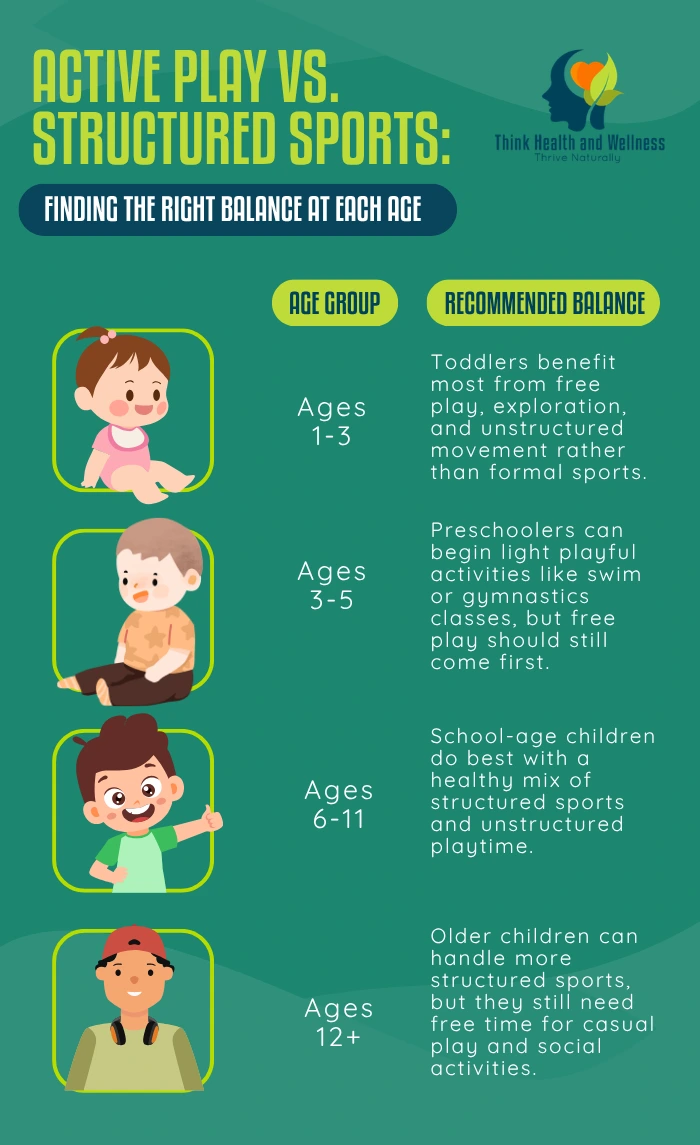
The right mix shifts as children grow, and understanding that progression takes a lot of pressure off the decision-making.
Toddlers (Ages 1 to 3)
At this age, free play is almost everything. Toddlers learn by exploring their environment, using their bodies in unstructured ways, and following their natural curiosity. Formal sports programs aren't developmentally appropriate here, and they're not necessary. The priority is safe spaces to move, explore, and play freely.
Preschoolers (Ages 3 to 5)
Light structure starts to become useful. Movement-based classes like beginner gymnastics or swim lessons are appropriate because they're short, low-pressure, and playful in nature. But free play should still make up the majority of a preschooler's active time. Think of any organized activity at this age as an extension of play, not a training program.
School-Age Children (Ages 6 to 11)
This is when a healthy mix really matters. Kids this age are developmentally ready to engage with more structured sports while still needing significant unstructured time. Trying multiple activities, sampling different sports, and playing freely alongside any structured involvement is ideal. Keeping participation fun and avoiding early specialization is important at this stage.
Older Children and Tweens (Ages 12 and Up)
As children move into their preteen years, more structured involvement in sports is appropriate and often beneficial. Commitment, skill development, and team participation can become richer experiences. But protecting some unstructured time remains important, even if it looks different at this age. Hanging out, pickup games, and unscheduled physical activity all still count as valuable free play.
How To Find The Balance For Your Specific Child
Every kid is different, and what works beautifully for one child might be overwhelming or under-stimulating for another. Here are some practical ways to think about finding the right balance.
Watch their engagement: A child who comes home from sports practice energized and excited is in a different place than one who comes home drained and dreading next week. Both responses are useful information.
Consider their personality: Some kids genuinely thrive with routine and structured challenge. Others are more free-spirited and need more unscheduled time to feel balanced. Neither is better, just different.
Avoid overscheduling: If your child doesn't have any unstructured time in their week, that's a problem worth addressing. Kids need downtime and free movement, not just organized activities.
Let them try things and quit things: Sampling multiple sports and activities without forcing early commitment is healthy, especially for younger children. The benefits of free play include the freedom to choose what interests them.
Adjust as they grow: What worked when your child was seven may not work when they're eleven. Check in regularly and be willing to change the balance.
Common Misconceptions Worth Clearing Up
"Structured sports are more valuable than free play"
This one is surprisingly common, probably because sports are more visible and measurable. But the research on child development doesn't support the idea that organized sports are developmentally superior. Unstructured play builds critical capacities that organized sports simply don't address in the same way.
"Early specialization gives kids a competitive advantage"
Early specialization in a single sport is actually associated with higher rates of overuse injuries, burnout, and dropout in adolescence. Most sports scientists and coaches now recommend sport sampling during childhood and delaying specialization until early adolescence at the earliest.
"Free play is just unproductive time"
This is one of the most persistent myths around children's activity. Unstructured free play is where some of the most important developmental work happens, including imagination, emotional regulation, social negotiation, and physical literacy. A child who spends an afternoon playing is not wasting time.
You don't need a perfect plan. Small shifts in how you structure your child's week can make a real difference.
Protect daily free play time, even on days with sports practice. Even 30 to 45 minutes of unscheduled time matters.
Encourage outdoor movement. Outside environments naturally invite more physical, creative, and exploratory play than indoor ones.
Limit overscheduling. If your child is in multiple organized activities and has no free time in their week, consider dropping one.
Participate in family physical activity. Family bike rides, hikes, swimming at the beach, or weekend pickup games all reinforce active movement without making it feel like training.
Let your child lead sometimes. Ask what they want to do and follow their lead. This builds ownership over their own active life.
Watch for signs of burnout. Persistent reluctance, complaints of fatigue, loss of enthusiasm for previously loved activities, and increasing emotional difficulty around sports are all worth paying attention to.
The best of both worlds for kids isn't a perfectly optimized schedule. It's giving them enough room to run free and enough structure to grow. Active play builds the kind of child who loves to move for the joy of it. Structured sports build the kind of child who can commit, improve, and work with others toward a goal. Your child doesn't have to choose between those two things.
The most important thing you can do as a parent is stay curious about what your specific child needs right now, be willing to adjust as they grow, and keep the focus on long-term enjoyment of physical activity over short-term performance outcomes. That's the balance that leads to healthier, happier kids.